
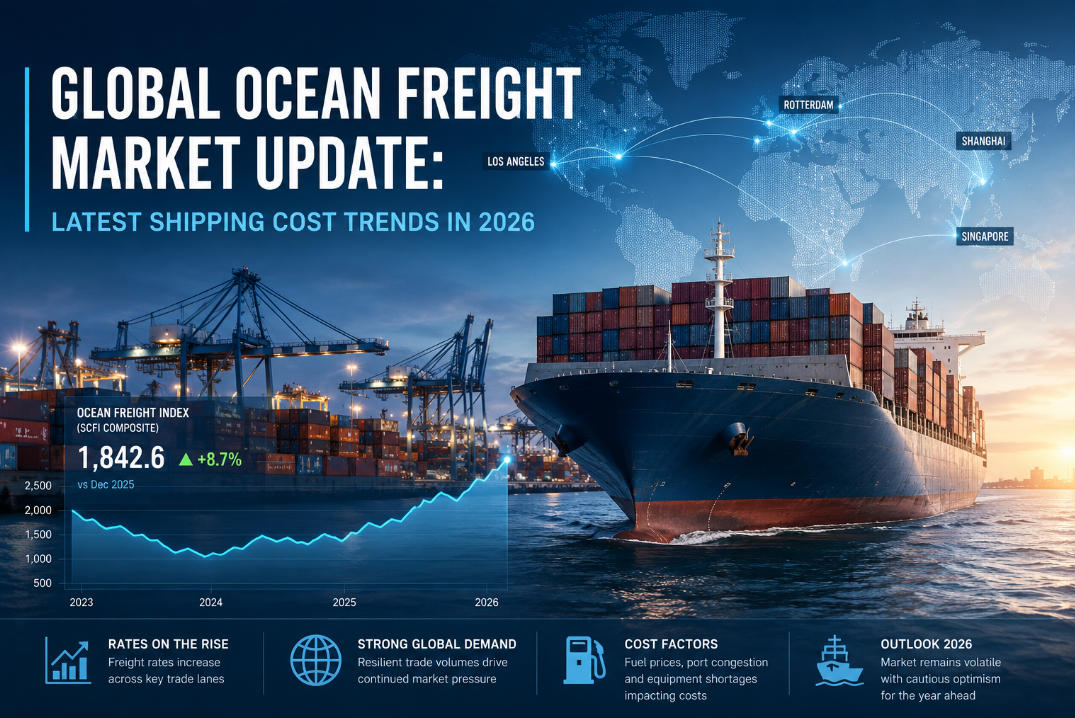
Since the beginning of 2026, the global shipping market has continued to be not stable and experience regional differences. Compared with the end of 2025, freight rates on several major routes have increased in phases, although the shipping cost is not so high as during the pandemic years.The moulding surface is a good decorative element. Our products are with different surface treatment, such as zamma laminate t molding, wood veneer moulding surface or the moulding with different color painting, you can get all of them from us.
1、The freight rate changes on Asia Routes
Currently, ocean freight rates from Asia to North America, the Middle East, and Europe are rising, and shipping times to some regions are increasing. This is because:
- The Unstable Situation in the Red Sea
- Ongoing port congestion
- Shipping line capacity adjustments
- Changes in import demand from the U.S. and Europe
- Rising fuel costs
For Asian exporters, ocean freight rates are fluctuating frequently within short periods, creating uncertainty for importers, wholesalers, and companies in the building materials industry. The orders of building materials, such as MDF board, door and moulding products, always consist of multiple containers, so the suppliers need to pay much more attention on the shipping cost and changes in shipping situation to make sure the on-time delivery.

2、Significant changes on the US shipping routes
The US routes remain a market that warrants close attention. The freight routes from the Asia to the ports of west & east America has been increased several time over the past few months. Many carriers have announced the increased GRI many times. At the same time, the cargo volumes of some major ports have recovered, so the vessel space is a little tightened. That has made influences on the exporter whose mainly market is the America. The market situation has lead to:
- Earlier Advance space Booking
- Tight vessel space during peak seasons
- Lower container pickup efficiency at some ports
- Increasing logistics cost ratios
Especially for the building materials industry, where products are often bulky with relatively lower unit value, changes in ocean freight rates have a direct impact on purchasing decisions.
3. Red Sea Situation Continues to Affect Global Supply Chains
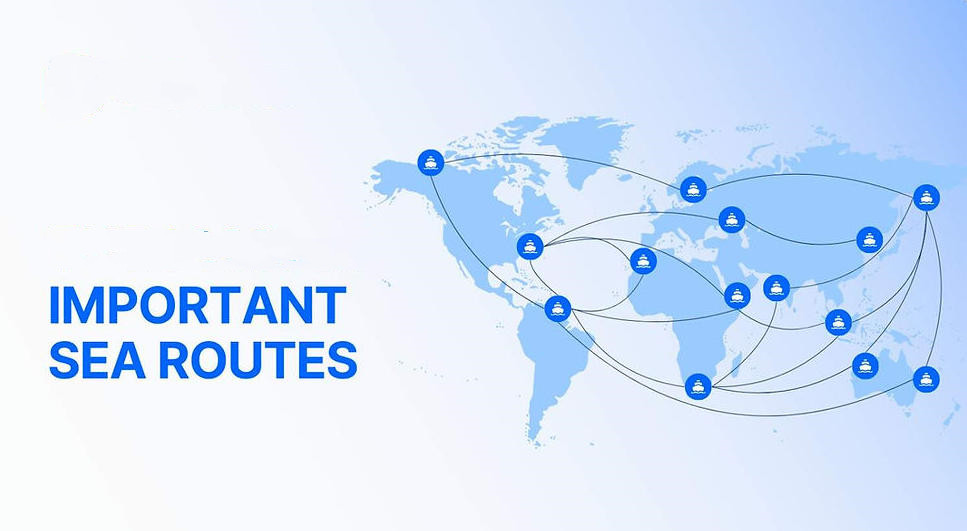
Since 2025, transportation risks in the Red Sea region have continued to impact international shipping. Many vessels are now choosing to reroute around the Cape of Good Hope.This situation has created several major effects:
Longer Transit Times
Since it is not possible to pass directly through the Red Sea, the detour has increased transit time. Transit times from Asia to Europe have generally increased by 10–20 days.
Higher Operating Costs for Shipping Lines
It includes the increased fuel consumption,lower vessel turnover efficiency and slower container
Temporary Global Capacity Shortages
Longer sailing distances require more vessels and shipping schedules, causing periodic container shortages and rolled cargo on some routes.
As a result, advance production planning and earlier shipping bookings have become increasingly important for exporters.

4. New Challenges for the Building Materials Export Industry
For exporters,especially for the suppliers who supply the lower value-added products , the current freight market presents several major challenges.
Rising Cost Pressure
Higher ocean freight costs continue to reduce profit margins, especially for lower value-added products. More Cautious Purchasing Decisions from Buyers
Much more closer attention to shipment
The supplier should have reliable delivery schedule, stable supply chain and can produce the smaller orders. They have to coooperate with the clients better and meet their requirements.
For importers, it is essential to pay close attention to whether their suppliers can ensure stable and punctual delivery. If utilizing a freight forwarder, even greater care should be taken to verify the stability and safety of their shipping routes, as well as the professionalism of their customs clearance capabilities.
5、Future Outlook for the Ocean Freight Market
Industry analysts generally believe that the global shipping market will remain highly volatile throughout 2026. Because Several key trends are expected to continue, such as shipping lines will continue capacity control, major carriers may continue using blank sailings and route adjustments to stabilize freight rates, rgional sourcing strategies will expand.
More importers are focusing on the Diversified supply chain sourcing, Reducing dependence on a single region,More reliable delivery capabilities,Long-Term Supplier Partnerships Will Become More Important. As logistics uncertainty increases, stable supply capacity and fast communication are becoming critical factors in supplier selection.
Conclusion
Although the global ocean freight market remains uncertain, it also creates opportunities for exporters to improve supply chain management and service capabilities. For companies with long-term experience in the building materials export industry, key competitive advantages will include: stable production capacity, flexible shipment arrangements and professional international logistics experience. Now the global market gradually are becoming stable, suppliers who can respond quickly to customer needs and effectively manage logistics risks will have more chances to build long-term partnerships.